Contrary to common belief, we don’t procrastinate because were lazy; we procrastinate when a task feels emotionally heavy, mentally overwhelming, or difficult to start. The frustrating part is that we often already know what steps to take to overcome procrastination. We’ve read the productivity books, watched the videos, and made the plans, yet somehow the action still doesn’t happen consistently. If we want to stop procrastinating, we can’t rely on motivation alone. Behavioral change usually comes from reducing resistance, reinforcing the right ideas repeatedly, and making action feel easier psychologically.
This article discusses:
Let’s dive into it!
Why do I procrastinate on things I actually care about?
The more something matters to you, the more likely you are to delay it. Psychologist Neil Fiore, in The Now Habit, explains that we do this to protect our self-worth. When the stakes are high, your brain treats starting as a direct threat to your identity.
When a task is connected to something you care deeply about, such as a business idea, a creative project, a relationship, or a goal, we associate failure with not being good enough. And that’s a risk most of us unconsciously refuse to take. So instead of starting and finding out, we delay. We keep the possibility alive by never testing it.
Fiore calls this the procrastination as protection pattern. As long as you haven’t truly tried, you can tell yourself you would have succeeded if you had. Starting destroys that safety net.
This is also why pressure tactics and discipline advice often backfire on your most meaningful goals. You can force yourself through a task you don’t care about. But a task tied to your deeper ambitions carries emotional weight that discipline alone can’t move.
What actually works here is shifting the psychological framing. Instead of treating the task as a performance test, treat it as exploration. Fiore’s research-backed approach recommends replacing “I have to finish this perfectly” with “I choose to start this and see what happens.”
Once you get the psychological/emotional framing right, you can then move on to the physical and tactical ammo to conquer your tasks.
How to Stop Procrastinating Now?
1. BREAK THE TASK DOWN
We’ll begin with 3 of our choice picks from Eat that Frog!
When we seem to have a challenging task at hand, we tend to procrastinate. The magnitude of tasks can be overwhelming, making it difficult to even start. This is one of the key drivers of procrastination; the sheer size of a project creates resistance. Instead of tackling it head-on, we put it off, convincing ourselves that we’ll get to it later.
Breaking the task down into smaller, manageable steps makes it feel less daunting. It’s easier psychologically to take on a small task. Once you complete it, you feel energized to take on the next task, then the next, until the job is completed.
Many of the world’s most effective productivity systems are built around this exact principle: simplify the next step enough that action becomes easier. Explore productivity systems like the 2-minute rule from Getting Things Done, or Atomic Habit’s 4 Laws of Behavior Change – that make consistent action easier.

2. APPLY PRESSURE ON YOURSELF
Set an artificial deadline—imagine you are leaving for a long holiday tomorrow and must finish your critical tasks today (it always works!). This approach forces you to take physical action rather than staying stuck on a path of procrastination. Or, have a bit of fun and make it a game to see how fast and far you can push yourself, beating your own records or deadlines. This evokes productive feelings and keeps you engaged. Instead of allowing an academic task or work project to feel like a burden, turn it into an exciting challenge. To stay focused, identify your real goal—what truly matters in the bigger picture—and commit to at least one action toward it.

3. MAXIMIZE YOUR POWER/ENERGY
If you’re feeling tired and sluggish, pushing yourself further is like trying to walk through sludge. A study published in the Journal of Applied Physiology found that 90 minutes of cognitively demanding work successfully induced mental fatigue, increasing subjective feelings of tiredness and lack of energy while significantly reducing cognitive performance.
Analyze your energy levels and identify your peak periods (e.g. early in the morning, in the afternoon), and do your most important tasks at these times. It’s easier to overcome procrastination at your peak form. Of course, nothing beats developing good habits to eat well, rest and exercise regularly to improve your physical, mental and emotional condition.
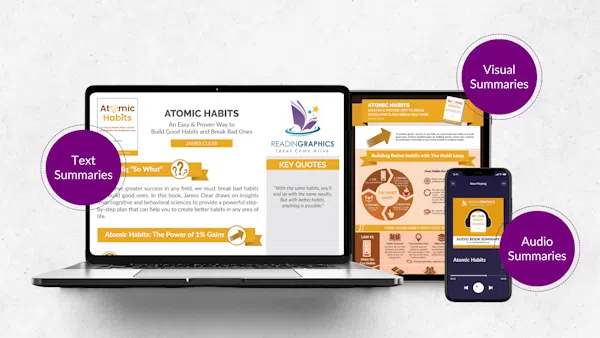
These useful ideas on stopping procrastination may fade quickly after reading them. Revisiting concepts through visual frameworks, written summaries, and audio reinforcement makes them easier to remember and apply consistently over time.
See why reinforced visual learning improves follow-through.

4. USE YOUR PAIN & PLEASURE
In Awaken the Giant Within, Tony Robbins shares this simple but powerful rule: We take action to avoid pain or to increase pleasure. The tips above may help you to break out of your inertia, but nothing beats finding the root of what’s holding you back. Let’s tackle it now:
• List the action that you’ve been procrastinating on (e.g. stop eating fried food)
• List down: “Why haven’t I taken action?” and “What pain do I link with this action?” (e.g. “I’ll get a craving for it”)
• Then, list the pleasure you’ve had previously by indulging in the undesired behavior (e.g. instant satisfaction)
• Write down the future cost if you don’t take action now (e.g. heart attack, obesity, relationships, self-esteem etc)
• Write down a big list of benefits for taking action now (make it emotional).
Stop Procrastinating: Resources to Start Now!
Procrastination rarely disappears because of one burst of motivation. Lasting change comes from building systems that make action easier, reducing mental resistance, and reinforcing the right ideas consistently over time.
The books above offer different approaches to focus, discipline, habits, energy management, and behavior change. Together, they can help you understand not just how to stop procrastinating temporarily, but how to build a more consistent and effective way of working long term.
Our visual, text, and audio summaries are designed to make those ideas easier to revisit, retain, and apply especially when motivation fades, and consistency matters most.
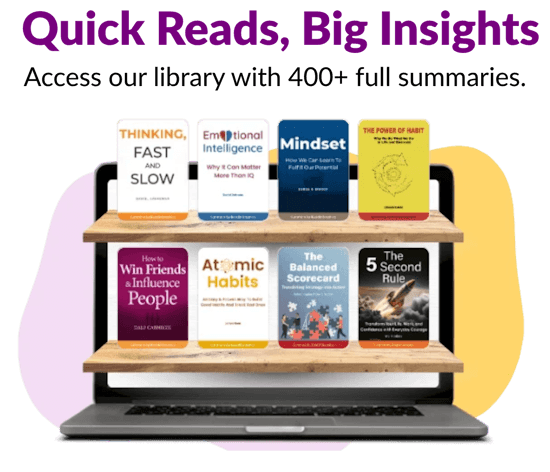
If you want to go deeper, these summaries explore the habits, systems, and psychological shifts that help people take action more consistently: Eat that Frog!, Get in the Go Zone, Getting Things Done, The Compound Effect, The One Thing, Finding Flow, The Now Habit, and The Power of Habit.
These books cover a range of concepts, strategies and practical tips that help you to prioritize, become more focused, energetic and effective. Go ahead and experiment with the various tools, and mix and match them in any way that works for you!
Frequently Asked Questions
What is the 2-minute rule for procrastination?
Does the 5-second rule actually stop procrastination?
What is the root cause of chronic procrastination?
Can procrastination be a trauma response?
What type of person procrastinates the most?