Looking for proven ways to boost your health and wellness? It’s easy to run into endless circles and spend so much money trying to achieve your wellness goals. Instead of jumping on every health and wellness trend, it’s about peeling back the basics. When we understand what’s at the core of health and wellness and learn to nurture it, the positive effects ripple. This article explores the core pillars of health and wellness, and recommends the best health and wellness books that help you significantly improve in these areas. As a book summary service that has reviewed numerous wellness and healthy lifestyle books, we’ve suggested those that help build in-depth understanding, with actionable tips to start building healthy habits right away.
In essence, this article covers:
- What causes well-being and health problems?
- What are the best health and wellness books?
- Bonus health and wellness book recommendations
- Conclusion
- Frequently Asked Questions
What Causes Well-Being and Health Problems?
According to the World Health Organization, health and well-being problems come from various parts of your life, mainly your physical habits, emotional patterns, stress levels, sleep, and daily environment. When these main areas get out of balance, it can affect your overall wellness. You might notice your energy dropping, your mood changing, your body reacting more, or even your motivation and decision-making getting worse.
By understanding how your core wellness pillars function, it’s easier to see where problems start and how to address them at the source.
Core Pillars of Health & Wellness: Physical Health & Mental-Emotional Well-being
Imagine your overall wellness as a three-angled triangle. One side represents physical health, while the other two represent mental and emotional health. According to the University of Minnesota, these three elements ensure you’re properly supported. Your body functions well when your physical health is optimal, and your mental and emotional health work as a tag team to help you express feelings and process information.

Basically, if one element isn’t well cared for and you were to break that piece of the triangle, your triangle becomes irregularly shaped. And that, quite literally, represents your wellness becoming irregular.
Below, we explore the specific factors within these three elements and what causes problems in each
Physical Health Factors That Lead to Problems
When we think of physical health, the first things that come to mind might be exercise , weight loss, or eating healthy. But true physical wellness goes beyond that.
1. A sedentary lifestyle
Sitting for most of the day slows your metabolism, weakens muscles, and increases your risk of heart disease and type 2 diabetes. From a neurobiological basis, inactivity also reduces blood flow to the brain, which can cause brain fog and reduced mental performance.
2. Poor nutrition and gut imbalance
Disordered eating patterns, highly processed foods, high sugar intake, and low fibre diets disrupt the gut microbiome. Since 70% of the immune system sits in the gut, this imbalance affects everything from inflammation levels to energy, mood, and weight regulation.
3. Lack of sleep
Consistently sleeping less than 7 hours affects hormone balance, appetite regulation, memory, and immune function. Sleep Science links poor sleep to higher rates of anxiety, depression, and chronic illness.
4. Chronic inflammation
Long-term inflammation, often driven by stress, diet, environmental toxins, and inactivity, is associated with most major chronic diseases: heart disease, diabetes, arthritis, and even cognitive decline. This is known as the stress-disease connection
5. Aging without supportive habits
Aging itself isn’t the issue. Aging without mobility, nutrition, strength, and recovery habits is what leads to joint pain, fatigue, loss of muscle, and slower metabolism. Research shows that strength training alone can offset many of these age-related declines.
Mental–Emotional Factors That Lead to Problems
1. Chronic stress
When stress becomes your baseline, cortisol stays elevated, disrupting sleep, digestion, immunity, and emotional balance.
2. Poor coping strategies
Numbing out with food, screens, avoidance, or busyness may feel helpful in the moment, but it prevents the nervous system from actually regulating. Healthy coping habits (movement, boundaries, journaling, breathwork, social support) strengthen resilience over time.
3. Social isolation
Humans are wired for connection. Lack of meaningful interaction increases your risk of anxiety, depression, and even early mortality. Studies show loneliness can be as harmful as smoking 15 cigarettes a day.
4. Sleep-mind disruption
Poor sleep and poor mental health feed each other. When your mind is overloaded or anxious, you don’t sleep well. When you don’t sleep well, your emotional regulation drops. Furthermore, a lack of sleep disrupts the brain’s ability to clear toxins, leading to brain fog, and irritability. This, combined with other factors like loss of focus (see point #6) can severely hurt your mental fitness.
5. Emotional dysregulation
Struggling with emotional intelligence can lead to conflict, impulsivity, procrastination, burnout, or emotional numbness. The brain stays in “threat mode” instead of restoring balance.
6. Loss of focus + addiction
Constant digital stimulation makes it hard to concentrate, increasing restlessness, compulsive scrolling, and in some cases addiction-like patterns. Dopamine becomes overstimulated, making everyday tasks feel boring or overwhelming.
How These Pillars Interact for Better Health and Wellness
As you may have noticed, physical health impacts our emotional and mental well-being, and vice versa. It’s important to look after both, because when one takes a knock, it’s often the other that helps you get back on track.
For example, if you’re experiencing mental health problems, you shouldn’t let go of your physical wellness. You can still create an exercise plan, eat a balanced diet, and make healthy choices. By looking after your physical wellness, you might start to notice those benefits flowing into your mental state.
For instance, physical activity releases feel-good chemicals known as endorphins, which improve mood. Over time, you may begin to experience more emotional freedom and an overall improvement in your mental health. So when you think about health and wellness initiatives to improve your personal well-being, make sure they activate the mind–body connection. In doing so, you’ll see better results.
Now, let’s explore the best books about health and wellness.
What are the Best Health and Wellness books?
Here are our top 7 recommendations of books for health and well-being, cutting across all 3 core pillars above to give you a strong foundation for building a healthy lifestyle.
7 Best Health and Wellness Books
for Physical, Emotional, and Mental Well-Being
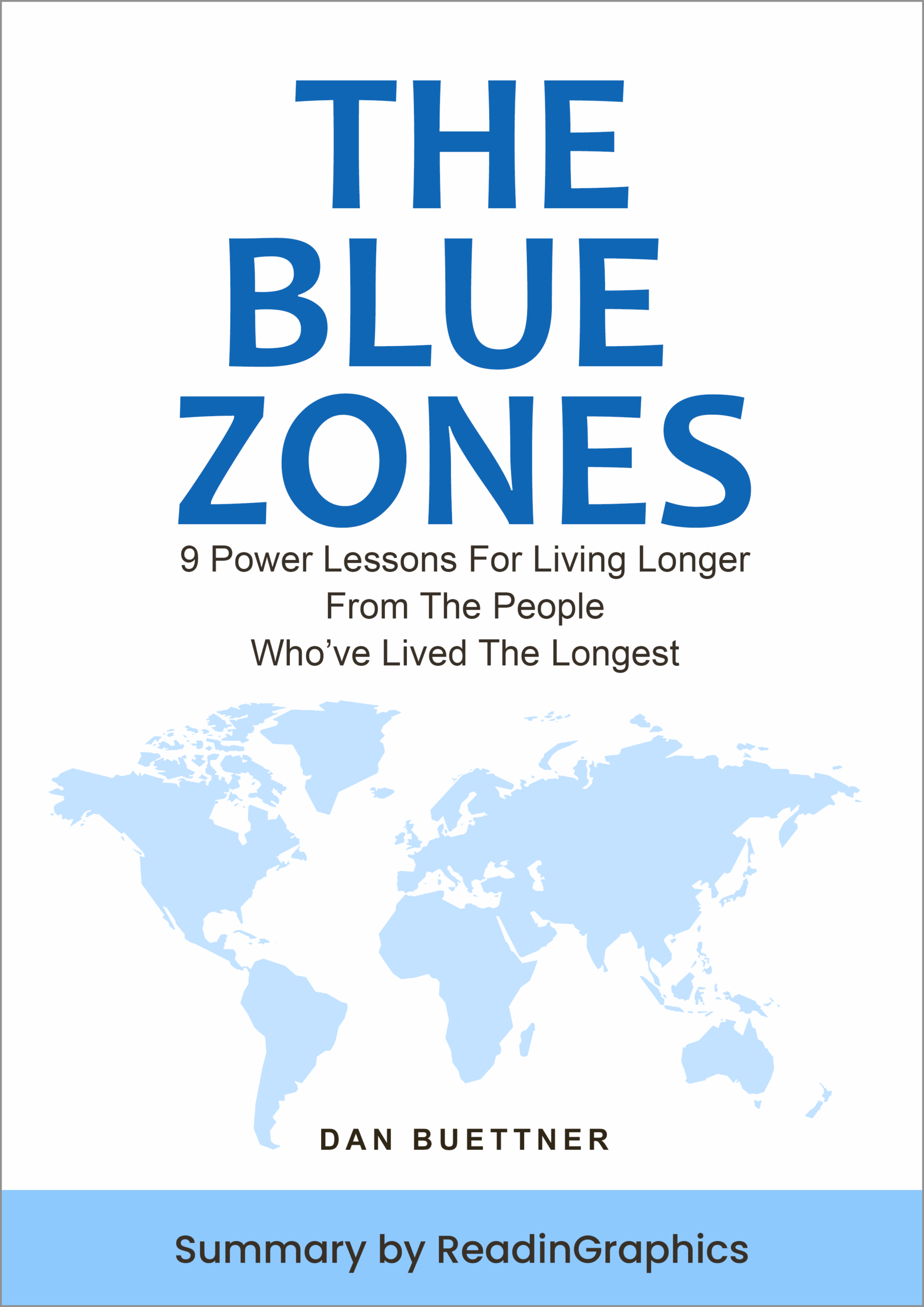


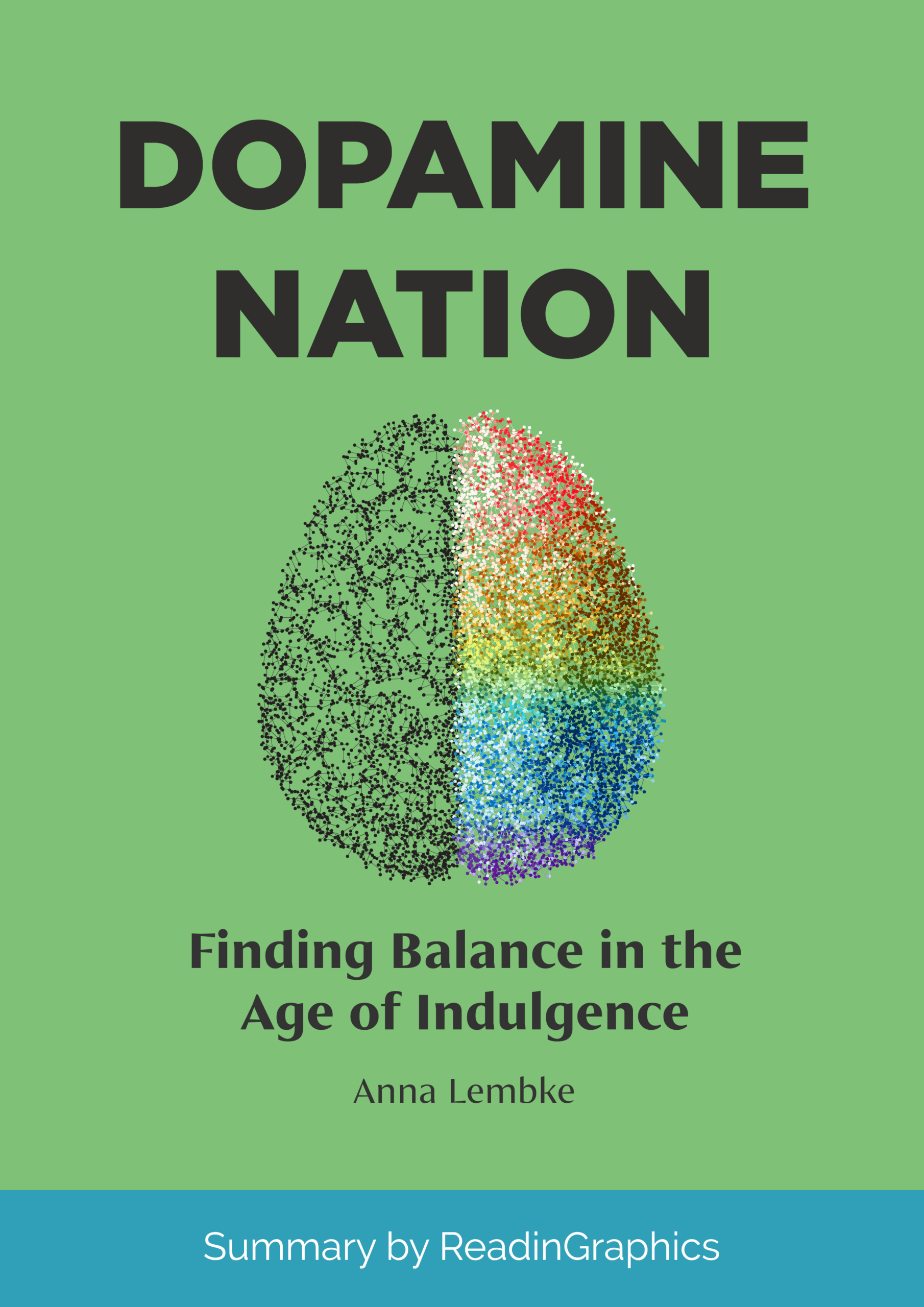
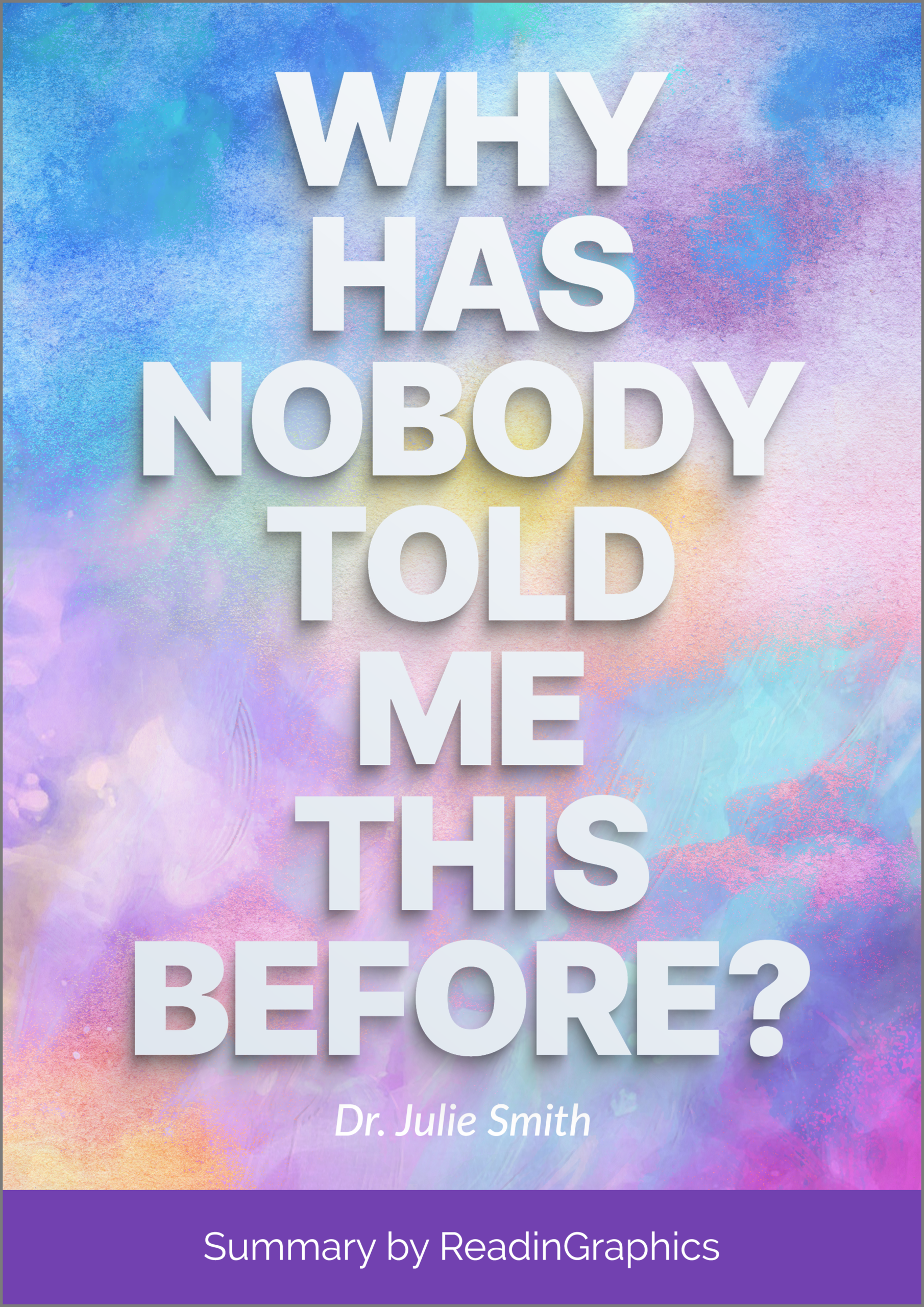

The Blue Zones by Dr Dan Buettner
1-Sentence Summary
Dan Buettner explores five regions around the world where people live the longest and shares their lifestyle habits that support longevity.
What It Teaches You
The book shows that long life isn’t the result of hacks, supplements, or intense routines, but simple daily habits supported by culture and environment.
Key Takeaways
Longevity comes from living in a way that makes healthy choices easy. These include moving naturally, eating mostly plant-based foods, maintaining strong social ties, having a sense of purpose, and practicing routine stress relief. Buettner tells us that these habits work because they become part of community life, rather than relying on willpower to carry them out.
Best For
Anyone curious about longevity, public health, lifestyle medicine, or building healthier habits that last.
Favorite Quote
“There’s no silver bullet. The power lies in the mutually reinforcing relationship between lots of little bullets.”
Book Review
The Blue Zones blends research, storytelling, and field interviews to illustrate what life looks like in the world’s healthiest aging populations. Buettner presents his findings clearly and offers actionable steps for creating your own “personal Blue Zone.” It’s an engaging read that challenges typical ideas about health.
Check out our detailed summary of The Blue Zones.
Good Energy by Dr. Casey Means
1-Sentence Summary
Dr. Casey Means explains how cellular energy drives every part of your health.
What It Teaches You
The book reveals how your 37 trillion cells create the “Good Energy” that keeps you healthy, and how modern lifestyles disrupt this process. Means shows how to restore metabolic health by improving mitochondrial function, supporting your biological rhythms, and building small daily habits that help your body produce steady, clean energy.
Key Takeaways
Metabolic dysfunction sits at the center of chronic disease. When your mitochondria can’t create enough ATP, the body enters a cycle of inflammation, oxidative stress, and insulin resistance, leading to fatigue, weight gain, brain fog, and long-term illness. Restoring “Good Energy” is about preventive healthcare, by focusing on the inputs that shape cellular health: nutrient-dense foods, quality sleep, movement, healthy environments, and stress resilience.
Best For
Professionals in the health space, anyone interested in metabolic or cellular health, and anyone feeling low energy, stressed, or unwell.
Favorite Quote
“Having Good Energy is the core underlying physiological function that, more than any other process in your body, determines your predilection to great mental and physical health or to poor health and disease.”
Book Review
Good Energy reframes health from a symptom-based approach to a cellular one. The book blends research, biomarkers, and habit-building into a clear four-week plan that helps you improve your daily choices and restore metabolic health from the ground up.
Check out our detailed Good Energy Summary.
The Upside of Stress by Kelly McGonigal
1-Sentence Summary
Author Kelly McGonigal provides scientific evidence showing stress isn’t always that bad – it can be channeled into improving our physical and psychological health.
What It Teaches You
After doing extensive research, McGonigal found that stress is only bad when you believe it is. The book teaches us how to reframe our beliefs on stress and shares strategies to apply when you’re stressed.
Key Takeaways
McGonigal encourages us to reframe the word stress from something associated with trauma and frustration to something that arises when we care about something. Once you change how you think about stress, you have to transform your stress responses. For example, making the most of bad situations and coping with challenges.
Best For
Business leaders and managers, professors and researchers, and anyone who feels overwhelmed by stress and wants to learn how to use it as a source of strength.
Favorite Quote
“Sometimes, we make the choice to be generous first, and the uplift comes later.”
Book Review
The Upside of Stress shows you how to embrace stress as a natural human resource. The book comes with a wide range of studies and research that help you understand McGonigal’s claims. It provides several applicable insights and acknowledges individual walks with stress and limitations in dealing with stress.
You can read our detailed The Upside of Stress summary here.
Dopamine Nation by Anna Lembke
1-Sentence Summary
Dr. Anna Lembke reveals how modern life drives addictive behaviours and shows how restoring the balance between pleasure and pain can help us live healthier lives.
What It Teaches You
The book explains the neuroscience of why we get hooked on high-dopamine habits, from social media to food, gaming, porn, and drugs. Through clinical cases, scientific research, and practical strategies, Lembke shows how addiction forms, why pleasure and pain operate on the same balance, and what it takes to reset that system so we can experience joy and motivation again.
Key Takeaways
We are living in an era of high access to pleasure, and our reward circuits were not built for this pace or intensity. Every sharp increase in dopamine is followed by an equal drop, making us crave more just to feel normal. Over time, the pleasure-pain balance tilts toward pain, leaving us anxious, numb, or compulsively seeking relief. Lembke outlines ways to restore balance and embrace healthy forms of pain to strengthen resilience.
Best For
Anyone struggling with addictive habits.
Favorite Quote
“The reason we’re all so miserable may be because we’re working so hard to avoid being miserable.”
Book Review
Dopamine Nation is an eye-opening exploration of how a pleasure-filled world is pushing us into addictive cycles. Lembke blends powerful patient stories with accessible neuroscience to show her findings. With the book being both scientific and deeply human, readers get a practical roadmap for breaking destructive patterns and rediscovering joy.
You can read our detailed Dopamine Nation summary here.
Why Has Nobody Told Me This Before by Dr. Julie Smith
1-Sentence Summary
Dr. Julie Smith suggests people need to understand how their minds and bodies work to manage everyday emotional challenges more effectively.
What It Teaches You
The book explains how your thoughts, feelings, sensations, and behaviors are interconnected, and how self-awareness can prevent you from spiraling into unhelpful patterns.
Key Takeaways
Dr. Smith emphasizes that most emotional difficulties are normal human experiences, not signs of personal failure. Once you understand how your mind works, you can interrupt unhelpful cycles with tools like journaling, mindfulness, metacognition, self-compassion, and reframing.
Best For
Anyone who wants to improve emotional resilience and day-to-day mental well-being.
Favorite Quote
“Trying not to think about something tends to make us think about it more.”
Book Review
Why Has Nobody Told Me This Before is a practical guide that demystifies mental health by explaining emotional challenges in simple, everyday language. Dr. Smith blends clear psychological concepts with tools you can use immediately, making the book feel supportive rather than clinical.
Check out our detailed Why Has Nobody Told Me This Before Summary.
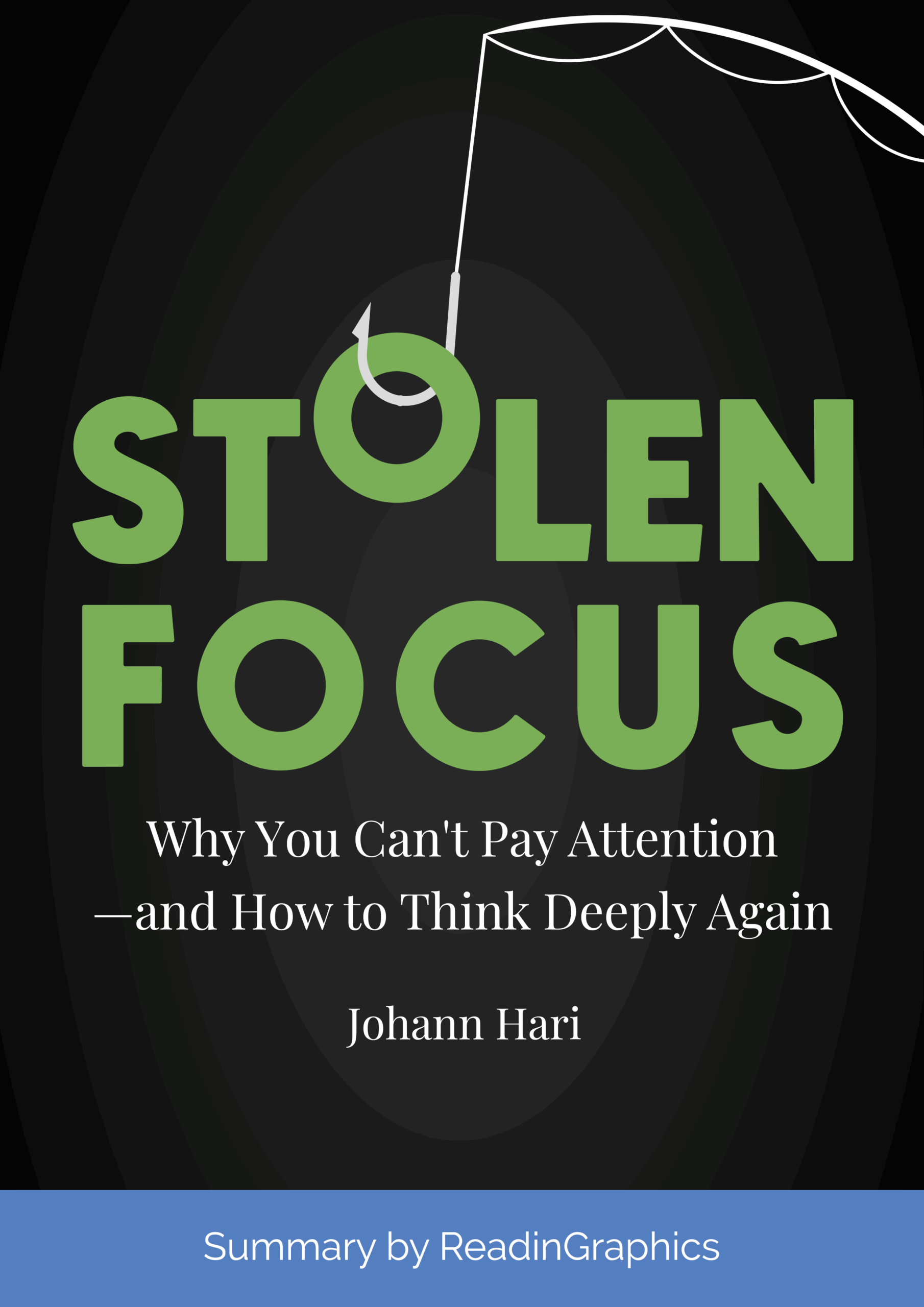
Stolen Focus by Johann Hari
1-Sentence Summary
Johann Hari reveals the twelve forces stealing our attention and shows how we can reclaim deep focus.
What It Teaches You
The book explains that we struggle with concentration mainly because of our environment, which promotes distraction. Hari blends research, expert interviews, and personal experience to show how information overload, multitasking, sleep disruption, poor diet, addictive technology, and societal pressures weaken our ability to think deeply. He also shares what can be done individually and collectively to regain focus.
Key Takeaways
Focus is being eroded from multiple directions at once. From constant task-switching and digital overload to the decline of deep reading, poor sleep, nutritional imbalances, and attention-hijacking algorithms, our cognitive systems are overwhelmed. Hari emphasizes that fixing attention requires two levels of action: personal changes like monotasking, digital boundaries, and sleep hygiene; and systemic reforms like regulating technology, reducing work-related exhaustion, and giving children freedom to develop healthy attention.
Best For
Ideal for professionals, students, parents, and anyone feeling distracted and unable to focus.
Favorite Quote
“I wondered if the motto for our era should be: I tried to live, but I got distracted.”
Book Review
Stolen Focus compellingly explores the modern attention crisis. Hari weaves neuroscience, psychology, personal stories, and interviews with more than 250 experts into an easy-to-read and understand narrative. He offers practical strategies to improve personal focus while arguing for much-needed systemic changes that protect our cognitive health. It’s a timely read for anyone who wants to reclaim their focus
Check out our detailed summary of Stolen Focus.
Why We Sleep By Matthew Walker
1-Sentence Summary
Dr. Matthew Walker reveals the science of sleep and shows how getting enough high-quality rest is one of the most powerful ways to improve our memory, creativity, emotional stability, and long-term health.
What It Teaches You
The book explains what sleep actually is—how REM and NREM cycles work, how the circadian rhythm and adenosine regulate tiredness, and why the modern world chronically deprives us of rest. Walker highlights decades of research to show how sleep strengthens learning, repairs the body, protects against disease, stabilizes mood, and supports nearly every biological system. At the same time, he exposes the dangers of chronic sleep loss and why most people underestimate how impaired they truly are.
Key Takeaways
Sleep is not optional. Sleep is a foundational biological need that affects nearly every function of the mind and body. Deep NREM sleep transfers and consolidates memories, while REM sleep integrates them to spark creativity and emotional processing. When we cut sleep short, we impair learning, weaken focus, disrupt metabolic health, elevate disease risk, and damage our cardiovascular, reproductive, immune, and genetic systems. Walker argues that society is built around sleep deprivation, and reclaiming healthy sleep requires practical habits like consistent schedules, darkness, reduced stimulants, and better cultural norms around rest. Sleep is the most potent and most overlooked health intervention available.
Best For
Anyone wanting sharper thinking, better emotional regulation, improved health, or deeper recovery. Ideal for students, professionals, parents, athletes, and anyone who struggles with sleep or wants to understand its impact on long-term well-being.
Favorite Quote
“Sleep is the single most effective thing we can do to reset our brain and body health each day—Mother Nature’s best effort yet.
Book Review
Why We Sleep includes so much data and knowledge to help you understand how to improve your quality of sleep. It debunks many of our wrong conceptions about sleep, without being overly critical, but more educational. It includes useful theories, examples, and discussions on the importance of sleep for development and longevity. If anything, this is an eye-opening book, with insights that may lead to all-around health benefits.
Check out our detailed Why We Sleep Summary to learn more.
Bonus Health and Wellness Book Recommendations
Looking for additional reads to help you improve your physical, mental, and emotional well-being? Here are some long-running best-selling books about health and wellness.
The Body Keeps the Score by Bessel van der Kolk
Often listed among the best health and wellness books, this powerful read explores how trauma lives in the body and mind. Van der Kolk explains how experiences shape our nervous system and emotional patterns, and how practices like mindfulness, movement, and therapy can help the body release what it has been holding.
Want to learn more about how our body holds trauma? Check out this detailed The Body Keeps the Score Summary and Review.
You Can Heal Your Life by Louise Hay
In this 1984 classic, Louise Hay shares the idea that our thoughts, beliefs, and self-talk can influence our overall well-being. She encourages readers to challenge negative patterns and embrace more supportive inner dialogue. While some concepts are metaphysical, many people find it empowering because it highlights the mind–body connection and the role self-awareness plays in building a healthier life. It’s often included on lists of healthy lifestyle books for its focus on emotional growth and personal transformation.
Check out our detailed You Can Heal Your Life Summary to learn more.
Conclusion
Whether you’re looking to improve your mental health, strengthen your emotional resilience, or adopt healthier habits, adding a few of the best health and wellness books to your reading list can make a meaningful difference. Each book offers practical insights that help you understand yourself better and create a more balanced, healthy lifestyle. Let these reads support your journey toward long-term well-being.
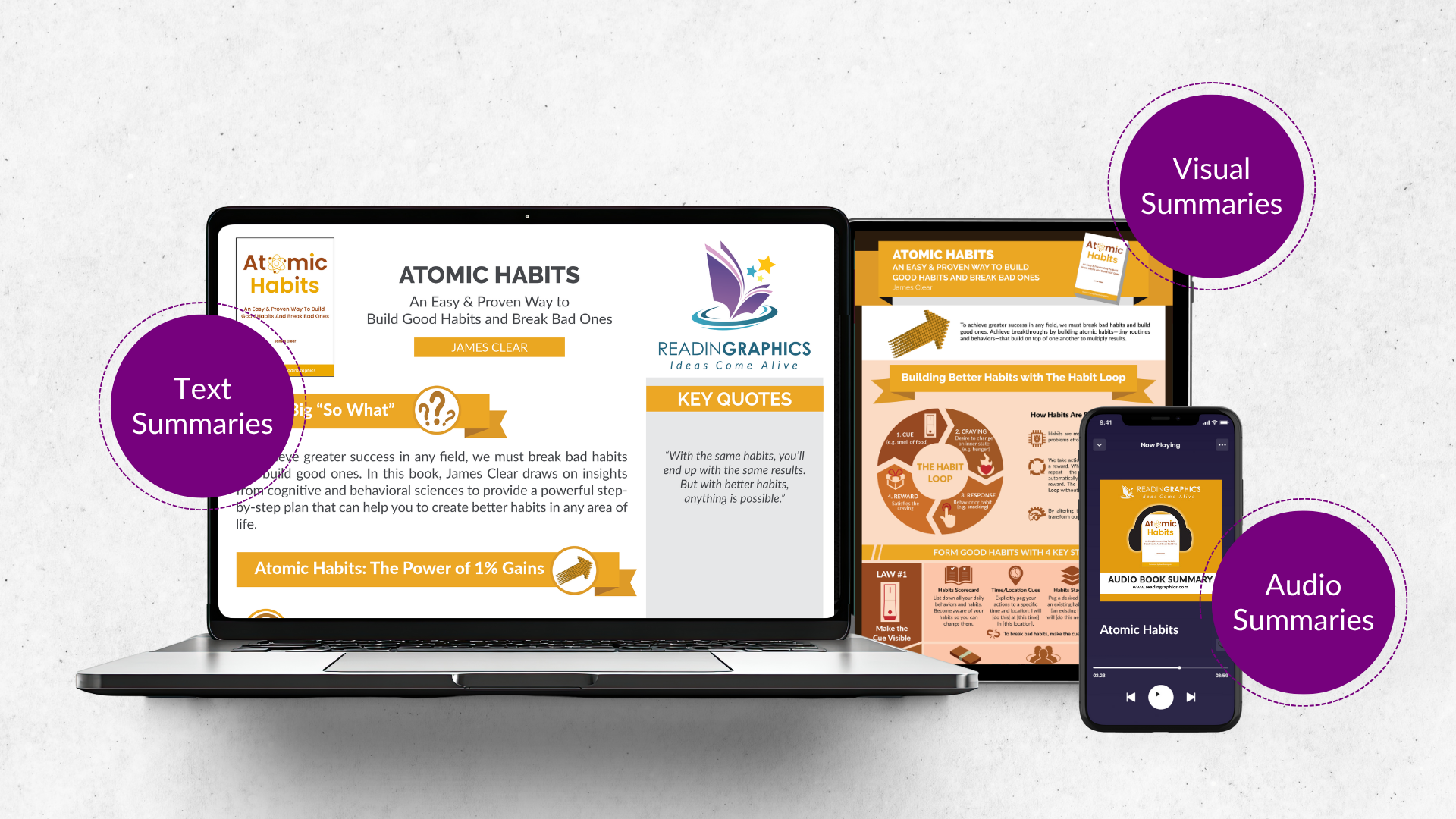
Ready to make this happen? Explore Readingraphics’ text, visual, and audio summaries of the best books on business growth and development. Take the first step today—Subscribe to access all these great titles AND more than 300 other best-selling book summaries to grow your thriving business!

Frequently Asked Questions
What are the best wellness books?
Some of the best wellness books include The Blue Zones, Good Energy, Why We Sleep, Stolen Focus, and Why Has Nobody Told Me This Before. These books cover core pillars of well-being, such as physical health, emotional resilience, focus, and long-term lifestyle habits.
What are the top-rated health books?
Top-rated health books often include The Blue Zones, Good Energy, and Why We Sleep because they blend strong research with practical, science-backed guidance. They help readers understand longevity, metabolic health, sleep, and everyday wellness habits.
What is the most life-changing book to read?
The Blue Zones is one of the most life-changing wellness books because it shows how simple daily habits create long, healthy lives. Its message is actionable, realistic, and backed by real-world communities living past 100.
What is the top 10 most-read book of all time?
The most-read books include classics like the Bible, the Quran, the works of Shakespeare, and books like Don Quixote and Harry Potter. These rankings aren’t strictly health-related but reflect worldwide readership across history.
Which wellness books give actionable routines or exercises?
Good Energy, Why Has Nobody Told Me This Before, and The Upside of Stress offer clear, step-by-step exercises you can use immediately. They include routines for stress management, emotional regulation, metabolic health, and healthier daily habits.
Can you recommend books for healthy lifestyle habits?
The Blue Zones, Good Energy, and Why We Sleep are great choices for building sustainable lifestyle habits. They teach you how to support your body, energy, sleep, and long-term health with simple, daily practices.