
Where did your energy go this week?
In the past 7 days, I…
Act or let go? Robbins' test: if it's still on your mind an hour later, act.
We're testing tips for every new summary, and building them with you. Tap 👍 or 👎 on each tip: your votes decide what we keep.
Your ticks and notes stay on this device only. We don't see them.
The big idea: you can't control what other people think, feel or do. "Let Them" stops the energy drain; "Let Me" puts that energy into your own next move. You need both.
In the past 7 days, I…
Act or let go? Robbins' test: if it's still on your mind an hour later, act.
Practice what you'll say, with AI playing the other person. Your ticks from "Check yourself" go into the prompt.
I want to practice a real conversation, using Mel Robbins' Let Them Theory. - Let Them: other people will think, feel and act however they choose. Let Me: I decide what I say and do next. - If I want someone to change a habit, use her ABC Loop: first get clear on why it really bothers me, then apologize for nagging, ask how they see it and reflect their answers back as questions, then back off and lead by example. - If I want more commitment from someone, ask for it directly, calmly and factually, and accept their answer. - If I'm raising something I've kept quiet about, say it plainly. How they feel about it is theirs to handle. This week I [the lines you ticked]. First ask me which of these involves another person (or, if none do, about a conversation I've been putting off), who they are, and what I want from the conversation. Then play that person realistically, including pushback, while I practice. After 4 to 6 exchanges, stop and tell me what worked, what to change, and the one opening line I should use.
Pick a moment that usually gets to you, like a slow reply or a comment from family.
Set a reminder: Google Calendar · Apple / Outlook
The big idea: many hard choices have no perfect answer. Computer science has rules that we can follow.
Pick one
Get the conditions and variations for each rule in the full summary.
Pick your situation first. The prompt carries that rule from our summary; the AI asks about your decision, works out what the rule says to do, and tells you if it doesn't fit.
I want to apply a rule from Algorithms to Live By (Brian Christian and Tom Griffiths) to a real decision. Here is the rule, from a summary of the book: [pick your situation in the first tip] My decision: [describe it]. Ask me only the questions you need, one at a time, including any numbers the rule needs (how many options, how much time, which deadlines). If I don't know a number, help me estimate it. If the rule doesn't fit my situation well, say so, explain why, and suggest which rule from the book fits better. Then tell me exactly what the rule says I should do, and the first step to take this week.
Pick a situation in the first tip, then plan one moment to use its rule.
My rule: [pick your situation in the first tip]
Set a reminder: Google Calendar · Apple / Outlook
The big idea: the goal of an argument is not to win, but to get an agreement that people act on.
Think of one that didn't get you what you wanted
Fill in the 3 boxes. The prompt carries the book's own moves, so the AI can play the other person and tell you which move you used or missed.
Help me rehearse a real conversation, using Jay Heinrichs' Thank You for Arguing. The person: [who]. What I want them to do: [what]. What they keep saying about it: [what they say]. Last time a conversation like this went nowhere: [the lines you ticked]. The book's moves I want to practice: - Open from their belief: "Because [their belief], we should [my choice]." Example: "Because you hate sitting in traffic, we should leave at 7." - Talk about the future, not blame or right and wrong: "What can we do now?" or "How do we stop this next time?" - Agree first, then steer: "Yes, and…" or "Okay, let's tweak it." Concede a smaller version of their objection, then move on: "Yes, some people miss deadlines. So how do we meet the deadline without hiring full-time?" - If they put a label on my idea, accept it and steer ("Yes, it's risky. How do we limit the downside?") or swap it for a better word ("It's bold"). - Hold my feelings back until the end. I'll open. Reply as this person, realistically, with the objections they would really raise. After each of my replies, tell me in one line which move I used or missed. After 4 to 6 exchanges, stop and give me my best opening line and the one reply I should have ready.
Before an ask this week, listen for a phrase they keep repeating, or the reason behind their "no". Agree with it, then build on it.
“Because you hate sitting in traffic, we should leave at 7.”
Set a reminder: Google Calendar · Apple / Outlook
The big idea: why you lead decides how you lead. Those who see leadership as a reward handle the 5 core responsibilities differently from those who see it as a responsibility.
In the past month, did you respond this way to any of the 5 core leadership responsibilities?
TICK ANY THAT APPLY (results not saved in this Beta)
See the summary for what these reveal about your motives.
Avoiding an awkward conversation doesn't protect anyone. The longer you wait, the worse it gets.
How
Take the duty you ticked above and work through it with AI. The prompt gives the AI Lencioni's description of each duty, so it works from the book, not from guesses.
You're a leadership coach using Patrick Lencioni's book The Motive. Lencioni says leaders who see leadership as a reward avoid uncomfortable duties. Leaders who see it as a responsibility do this instead: - Team: build the team personally, through real conversations about how people behave and work together. - Your people: set direction, stay close enough to catch issues early, and coach people whatever their seniority. - Hard conversations: correct behavior early, directly and without hostility. - Meetings: treat meetings as the arena for leadership work, and run them focused and engaging. - Communication: repeat core messages until they register (people need to hear one about 7 times). The duty I want to work on is: [the one you ticked]. Ask me one question at a time about a recent situation where I avoided it. If an answer is vague, ask for a specific example. Then help me plan one step for this week, in the form "When ___, I will ___". Be direct.
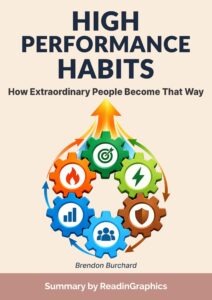
The big idea: high performers can sustain outstanding results in multiple areas and maintain well-being because of 6 core habits.
Burchard calls it your Prolific Quality Output: the work that would shape your career most if you produced it consistently at high quality. For a writer, it's finished pieces. For a salesperson, it's closed deals. High performers give it 60% or more of their work time.
TICK ANY THAT APPLY (results not saved in this Beta)
Open last week's calendar and mark every block that produced your Prolific Quality Output. Aim for 60%.
Practice Habit 1, clarity, by moving toward the person you wish to become.
How
Break an ambitious goal into 5 big projects and work on one at a time. Use AI as a coach to plan yours.
You're a coach using Brendon Burchard's book High Performance Habits. His "5 big moves" practice: take one ambitious goal, name the 5 big projects that would achieve it, break each into milestones, timelines and tasks, and work on one move at a time. Ask me one question at a time about my goal, my role and what I'm judged on. Push back if my answers are vague. Then help me name my 5 moves, choose the one to start with, and set its first milestone. End with one plan in the form "When ___, I will ___" to protect time for it next week.
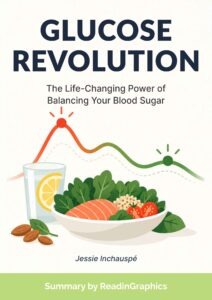
The big idea: how you eat matters as much as what you eat. You can steady your blood sugar and improve your energy and health with 10 practical hacks.
You don't need a glucose monitor to notice a spike and crash. You can feel it with sleepiness, brain fog or a craving for something sweet.
TICK ANY THAT APPLY (results not saved in this Beta)
For 3 days, note how you feel 1 to 2 hours after each meal and what that meal started with. The meal you crash after most often is the one to change first.
Keep your plate the same and change only the order. In a Cornell study, this cut glucose spikes by 73% and insulin by 48%.
The order
Even if you eat the vegetables first, then mix protein and rice/noodles after, it still helps.
The changes work best when they fit how you already eat. Tailor your meals with AI.
You're helping me apply Jessie Inchauspé's book Glucose Revolution. Her 10 hacks to flatten glucose spikes: 1. Eat in order: vegetables first, then protein and fat, then starch and sweets. 2. Start meals with a vegetable starter. 3. Don't eat carbs on their own; pair them with fat, protein or fiber. 4. Have a savory breakfast built on protein, fat and fiber. 5. Eat sweets as dessert after a meal, not as a snack. 6. Choose savory snacks over sweet ones. 7. Choose foods for their molecules (protein, fat, fiber), not their calories. 8. Don't treat honey, agave or other "healthier" sugars as healthy; pick whole fruit instead. 9. Take 1 tablespoon of vinegar in water before or after a carb-heavy meal. 10. Move for at least 10 minutes within 70 minutes of eating. My crash meal (the one I feel sleepy, foggy or snacky after) is: [describe it]. Foods I don't want to give up: [list them]. Ask me one question at a time about when and how I usually eat this meal. Then rework it using the 2 or 3 hacks that would make the biggest difference, keeping the foods I love. End with one plan in the form "Next time I eat this meal, I will ___". Don't give me a diet, calorie targets or medical advice.
General information from the book, not medical advice. If you have diabetes or take medication, talk to your doctor before changing how you eat.
One big idea from a book on a single card, to keep, share or use in a meeting. Would you use these? Tap 👍 or 👎, and tell us more in the box at the end of the page.
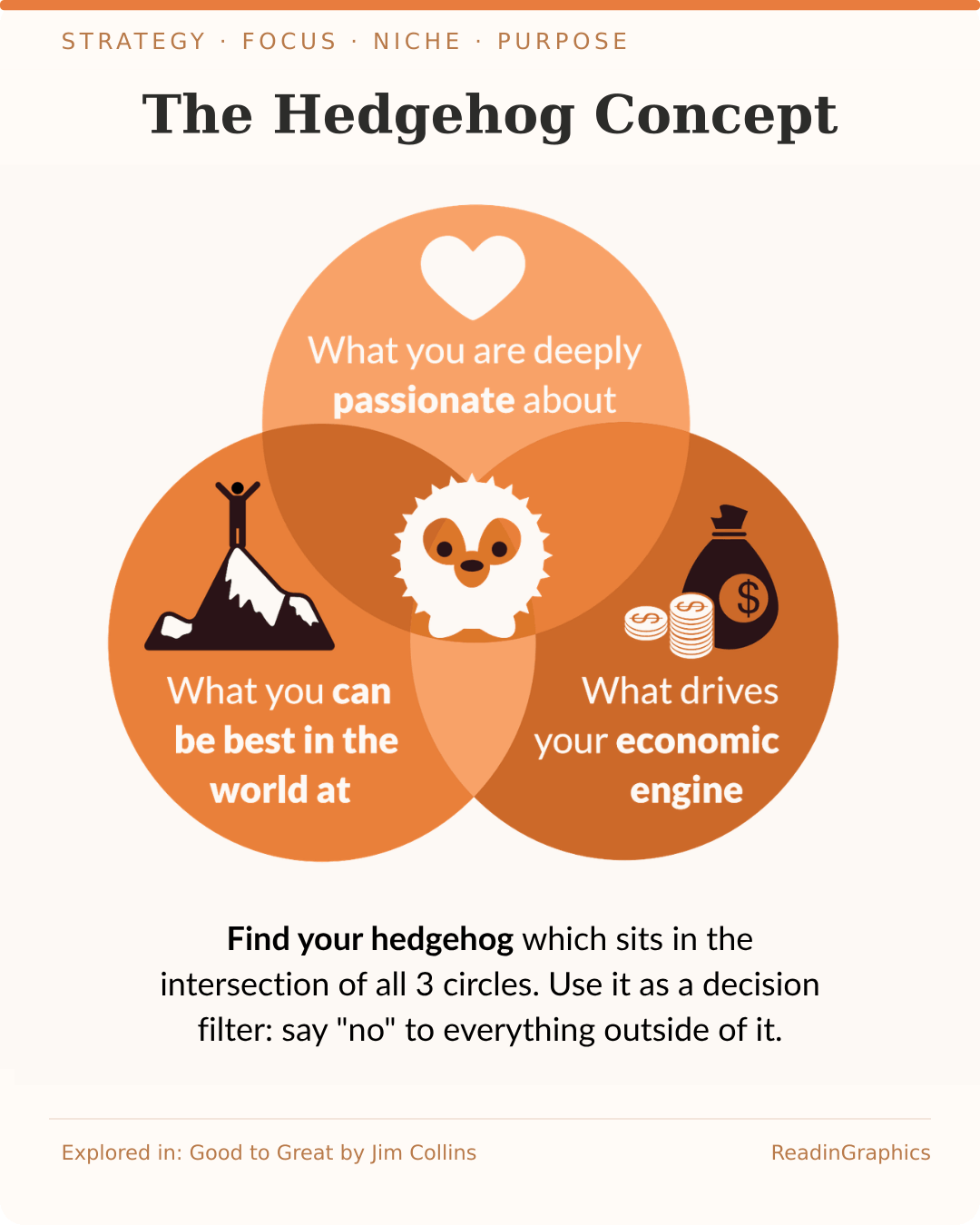
From Good to Great by Jim Collins
See the summary →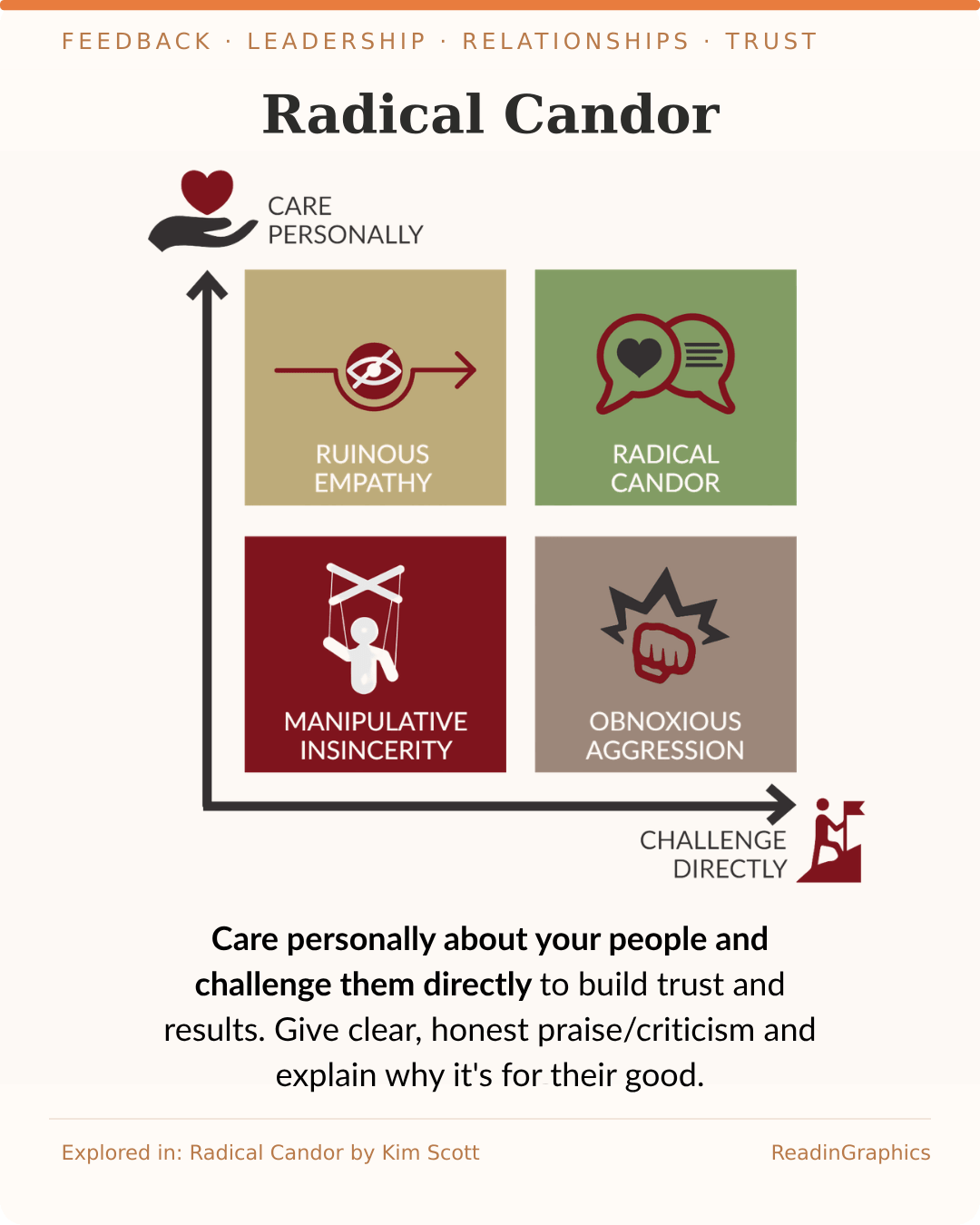
From Radical Candor by Kim Scott
See the summary →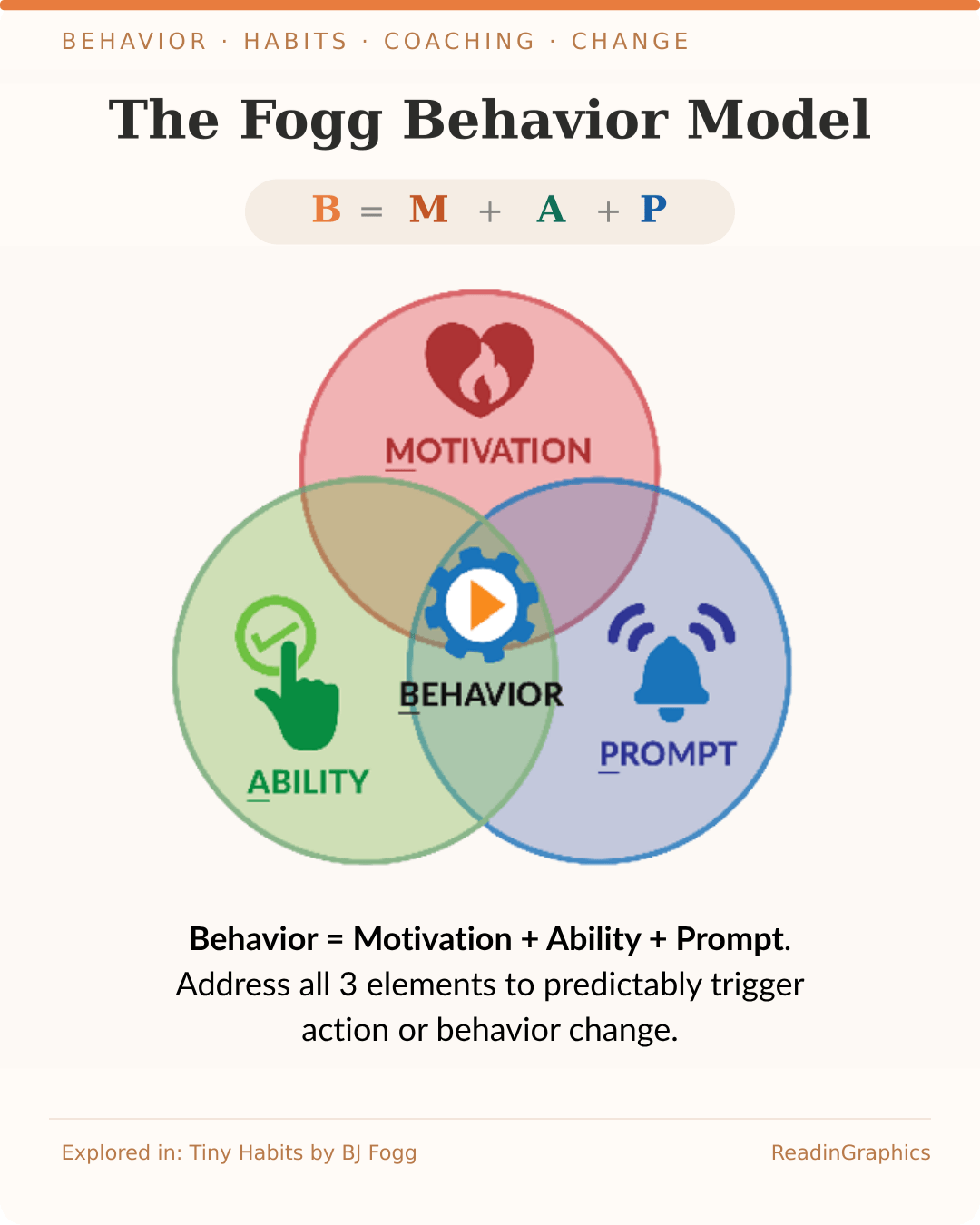
From Tiny Habits by BJ Fogg
See the summary →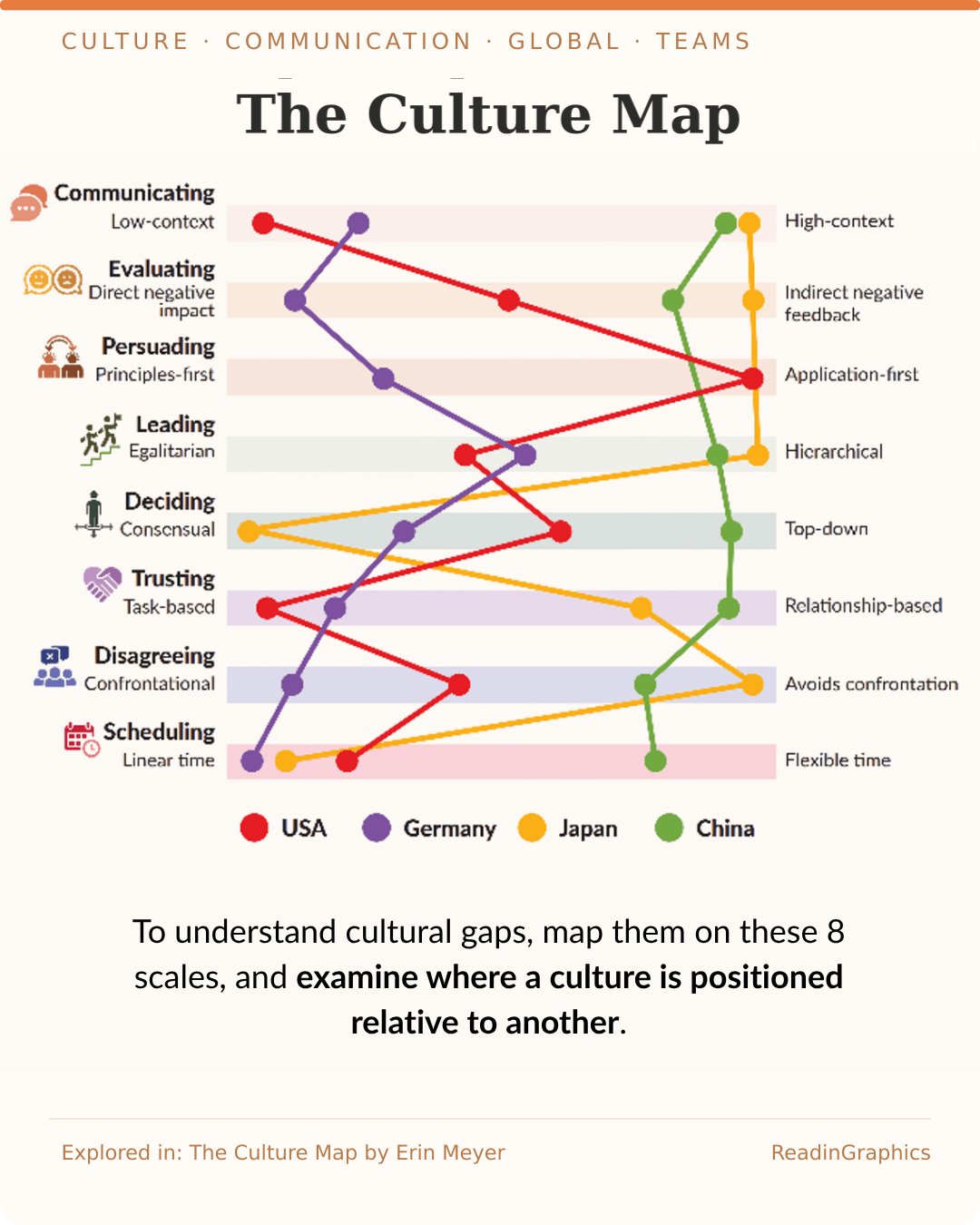
From The Culture Map by Erin Meyer
See the summary →Your rating for the November tips

Infographic, text, and audio summaries you can actually use. Every summary is written by a person who reads the whole book. The visual shows how the ideas fit together. The text goes deeper. The audio goes wherever you do.


© 2026 Readingraphics.
Thanks, your comment is saved.