You’ve probably been recommended a productivity book based on its popularity, not on what’s actually holding you back.
That’s the problem with most “best books on productivity” lists. They rank by popularity or general usefulness, but they don’t consider what your specific frustration is: whether it’s back-to-back meetings eating your focus, burnout you can’t shake, or the fact that you keep reading about productivity instead of doing anything differently. So you finish the list with more options and no more clarity than when you started.
This guide starts from the other direction. Below are 10 ways that conventional productivity fails for people in knowledge-work roles, each matched to a book that addresses that particular problem. Find the one that sounds like you and skip directly to the recommended resource.
In essence, this article covers:
- 2026 Top 10 Work Productivity Challenges
- The 10 Best Productivity Books Matched to Your Specific Frustration
- Conclusion
- Frequently Asked Questions
Let’s dive straight into it!
2026 Top 10 Work Productivity Challenges
We’re dealing with new productivity challenges, from technology that pulls our attention in too many directions to complex systems that make it harder to make meaningful progress. We also face burnout, hustle culture, and time-management methods that don’t align with how we actually think and work.
Productivity experts offer great advice, but one expert’s solution can’t address every challenge. That’s why we’ve listed common productivity challenges, each one matched to a book that offers a solution.
Find the challenge that matches your situation and go straight to the section with the best workplace productivity hack.
| Your goal or challenge | Best productivity book for you |
| “I know what I should do. I just can’t make it stick.” | Atomic Habits by James Clear |
| “I’m busy all day but never get to the work that actually matters.” | Deep Work by Cal Newport |
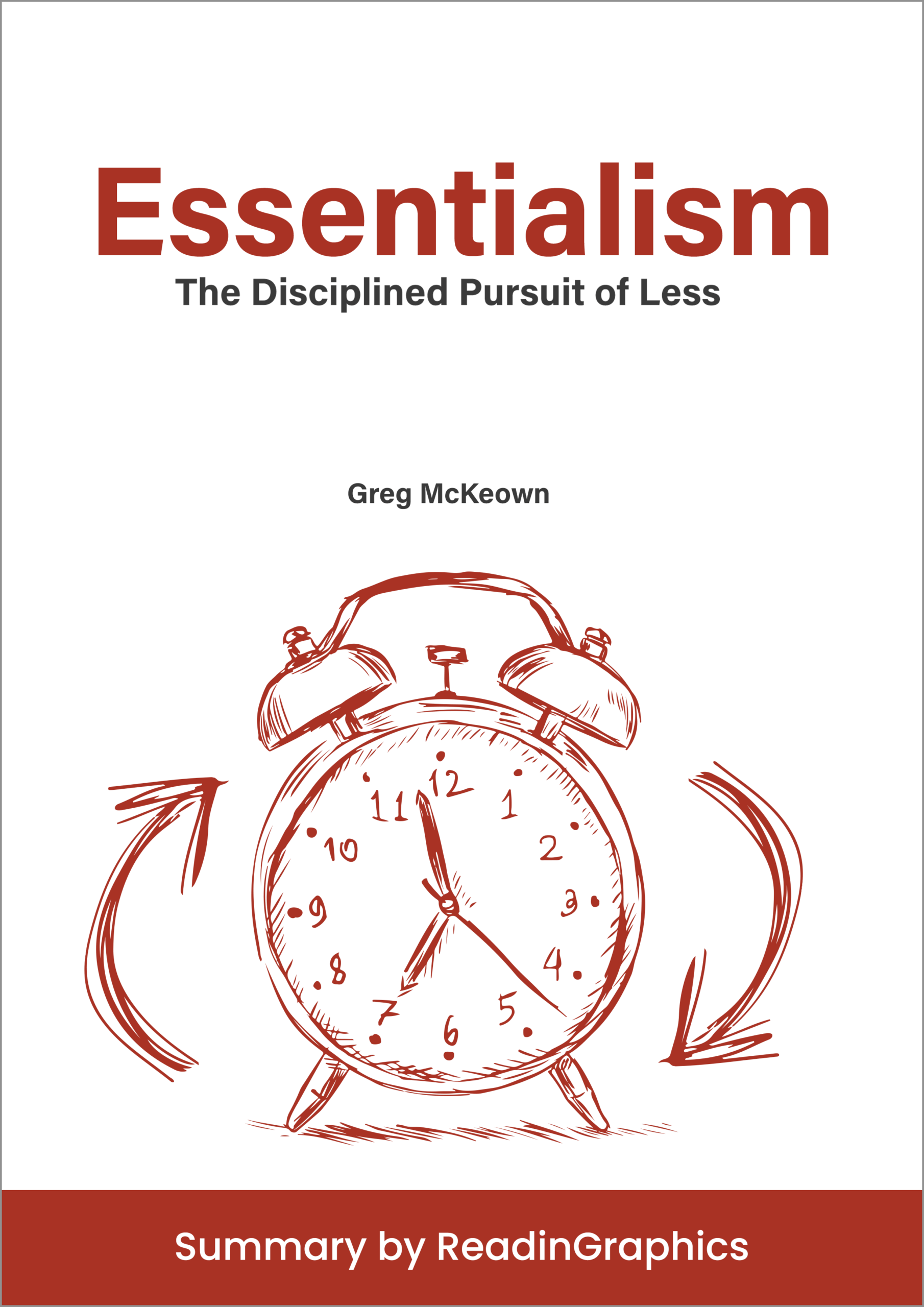
| “I’m working constantly and still feel behind.” | Essentialism by Greg McKeown |
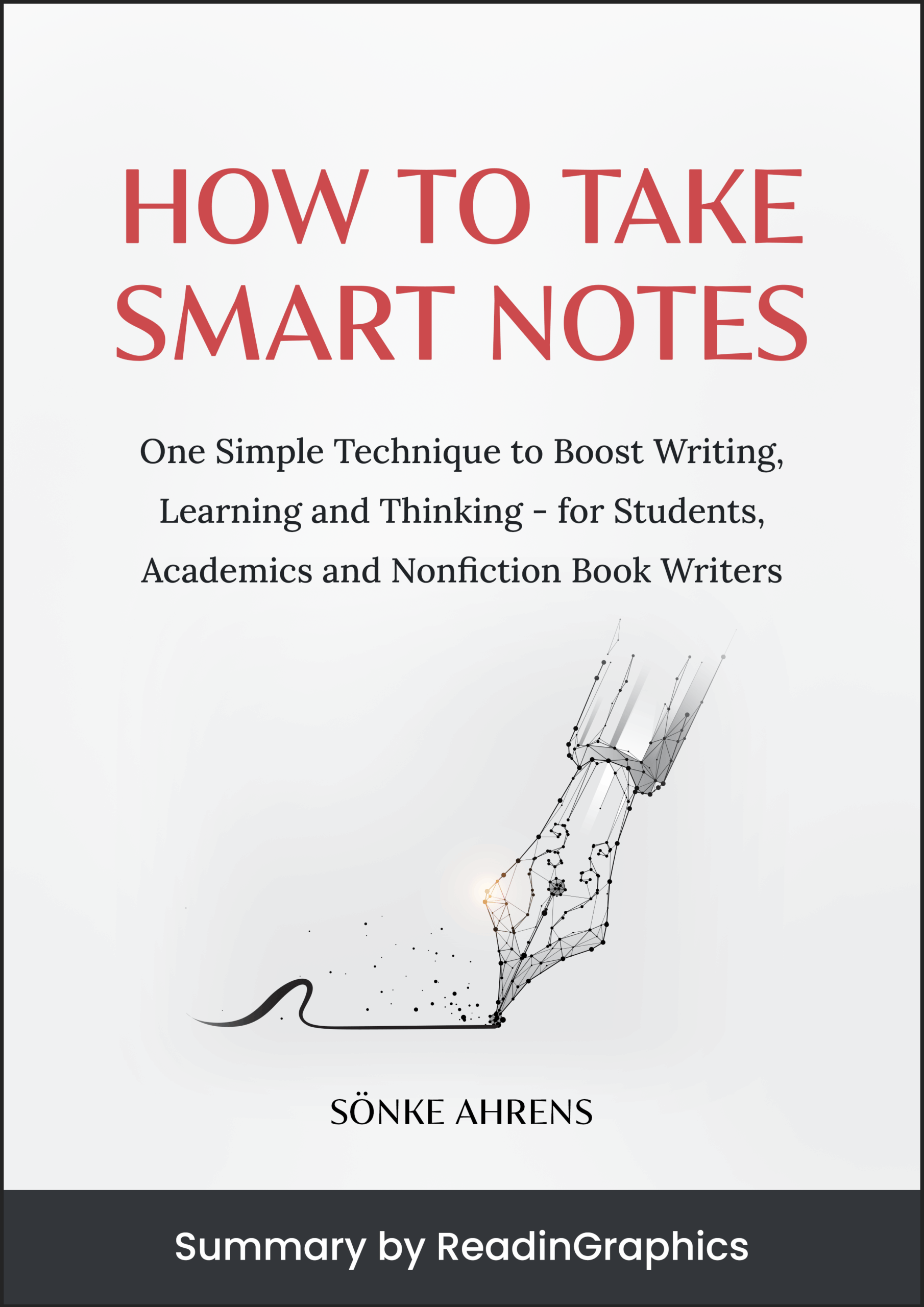
| “I read and learn things, but they don’t stick.” | How to Take Smart Notes by Dr. Sonke Ahrens |
| “Standard time management doesn’t work for my brain.” | Feel Good Productivity by Ali Abdaal |
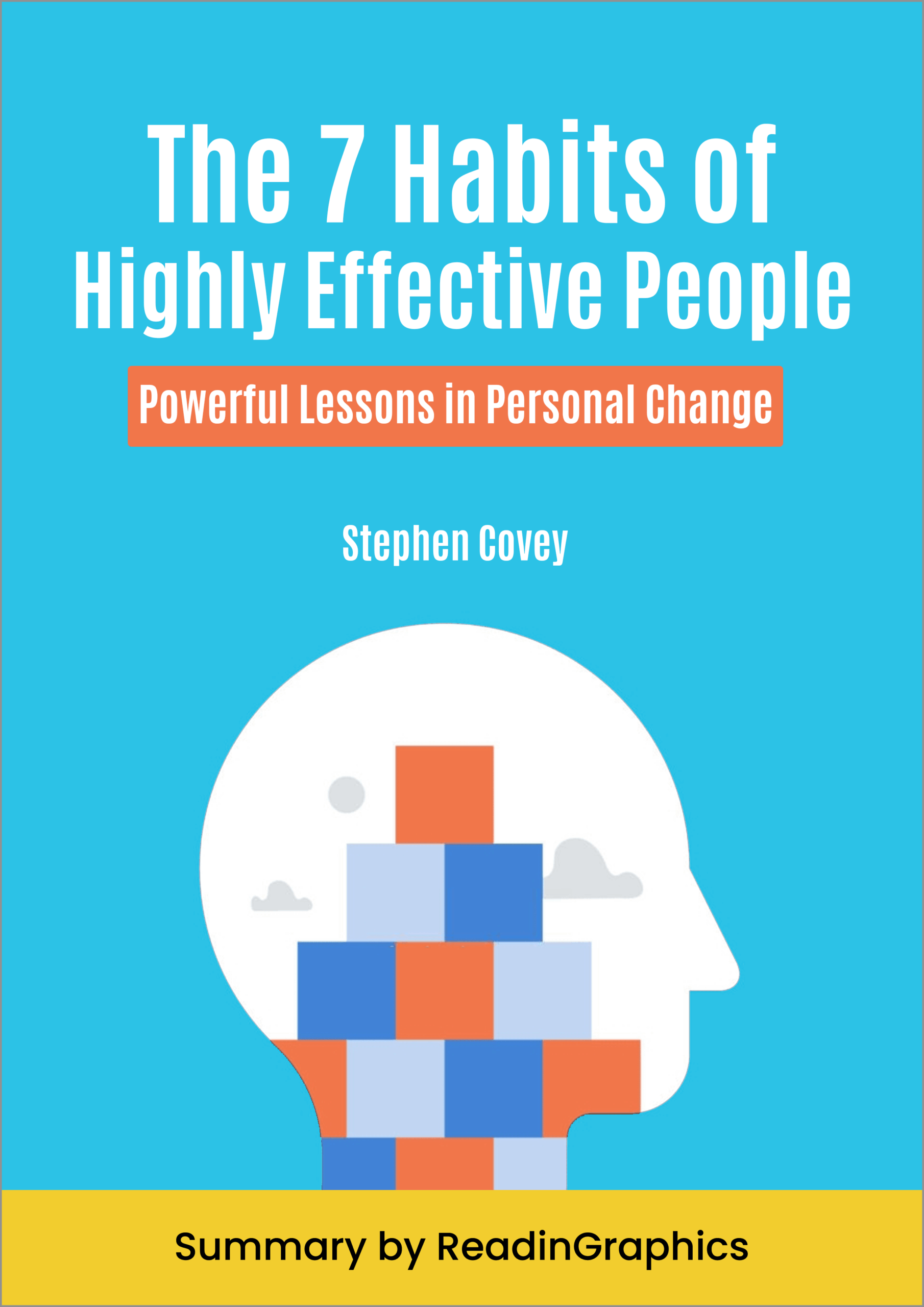
| “I want one complete system, not scattered tips.” | The 7 Habits of Highly Effective People by Stephen Covey |
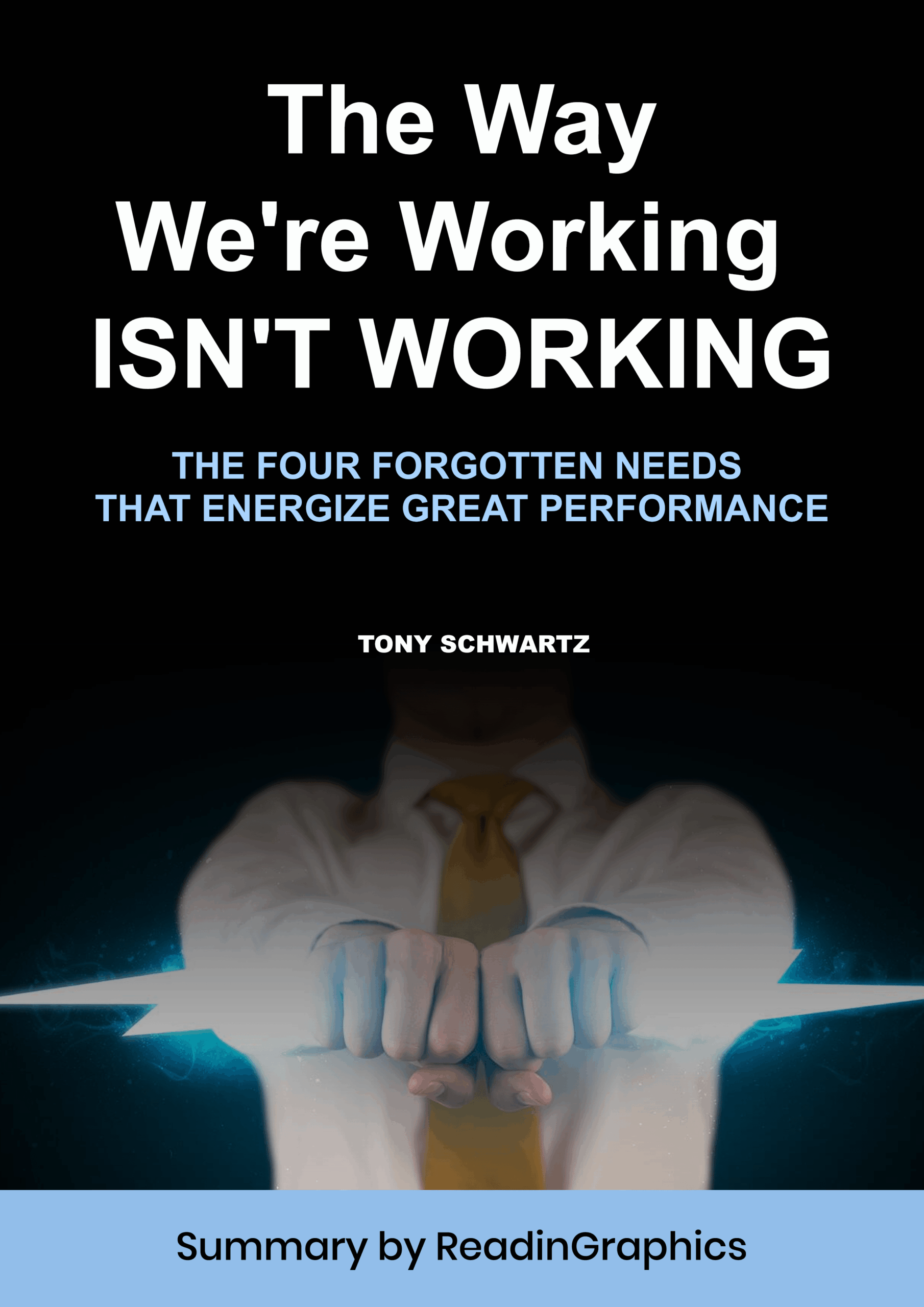
| “I’m not lazy; I’m just exhausted.” | The Way We’re Working Isn’t Working by Tony Schwartz, Jean Gomes, and Catherine McCarthy |
| “I want to get better at my actual craft, not just organize my to-do list.” | Peak by Anders Ericsson and Robert Pool |
| “I feel overwhelmed by hustle culture.” | Slow Productivity by Cal Newport |
| “I can’t stop checking my phone mid-task.” | Digital Minimalism by Cal Newport |
The 10 Best Productivity Books Matched to Your Specific Frustration




Atomic Habits — “I Know What I Should Do, I Just Can’t Make It Stick”
If you understand exactly what you should do and still are not doing it, Atomic Habits by James Clear is your match. It shows you how to make it automatic, rather than motivating you harder.
What It Teaches You
Willpower alone is not a reliable way to make lasting habit changes. Instead, he suggests creating systems: habit stacking (adding a new habit onto one you already have), environment design (setting things up so good choices are easier), and identity-based habits (change based on who you want to be, not just what you want to do).
Key Takeaway
The tiny improvements and actions you take to form a new habit matter way more than big breakthroughs. If you improve by just a bit a day, it compounds over time.
Best For
Anyone who wants to learn how to build good habits and get rid of bad ones.
Favorite Quote
“Success is not a goal to reach or a finish line to cross. It is a system to improve, an endless process to refine.”
Book Review
Atomic Habits has a clear, scientifically backed framework to make habits automatic: make them obvious, attractive, easy, and satisfying. James Clear emphasizes that simply reading the book isn’t enough to see lasting change in how you develop good habits. The book is full of strategies and examples that show you how to put the framework into practice. Readers find success with Atomic Habits when they reinforce the book’s insights through daily practice.
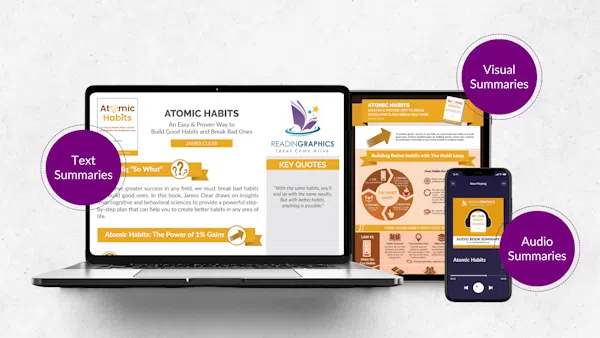
Our Atomic Habits Summary breaks down the book’s key ideas into organized segments, making it easy to understand, revisit, and recall.
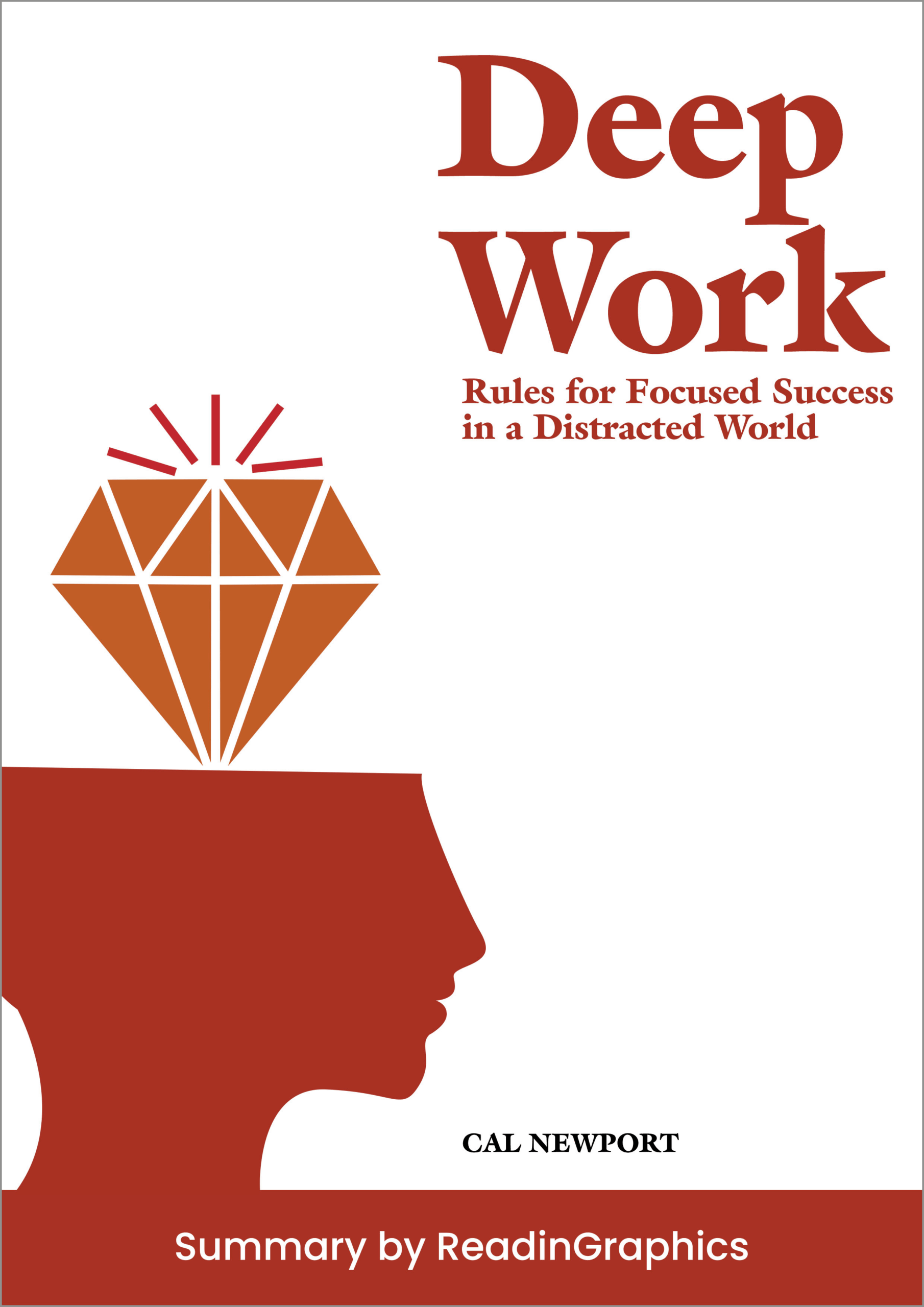
Deep Work — “Busy All Day but Never Get to the Work That Actually Matters”
If your days are full of shallow tasks and meetings but your real work never gets touched, Deep Work by Cal Newport diagnoses exactly this gap between busyness and meaningful output.
What It Teaches You
Newport draws a hard line between “deep work,” which is cognitively demanding, high-value tasks done without distraction, and “shallow work,” which includes emails, status updates, and low-stakes meetings that fill a calendar without advancing anything forward. He argues that most knowledge workers mistake the second for the first. Scheduling protected blocks for deep work is the only reliable way out. This directly addresses the busyness-as-performance trap: the feeling of being constantly occupied while your most important work sits untouched. This pattern has only become more challenging in meeting-heavy, always-on office cultures.
Key Takeaway
The modern work culture deprives you of deep work, a state of maximum concentration that pushes your skills to the limit and maximises your intellectual capacity. Cal Newport suggests a few strategies and routines to pursue to intentionally include deep work.
Best For
Anyone who wants to improve their effectiveness.
Favorite Quote
“To leave the distracted masses to join the focused few…is a transformative experience.”
Book Review
Deep Work offers many valuable ideas for maintaining attention and focusing on what is important. Cal Newport clearly explains each idea with steps to reach a strong focus. A guide-like format lets you easily follow his logic and retain his insights.
Newport stresses that recognizing deep work and keeping focus takes practice. You need to study his teaching several times before it becomes a habit. Since publishing the book, technological advancements have made it more difficult to allocate time for deep work. Still, you can apply Cal Newport’s main tips to present-day challenges.
Our Deep Work Summary makes it easy to revisit and retain Newport’s insights.
Essentialism — “I’m Working Constantly and Still Feel Behind”
If your instinct when you fall behind is to take on more, work longer, and say yes to everything, Essentialism by Greg McKeown suggests you’re solving the wrong problem. You’re adding too much to your plate and getting less value out of it.
What It Teaches You
We default to saying yes, spreading effort across too many commitments, and treating everything as equally important. The result is exactly what you’re feeling: constant motion, very little progress on anything that matters. His framework is a disciplined process for identifying the vital few priorities and eliminating everything else. The practical tools include the 90 Percent Rule (if an opportunity doesn’t score at least 90 out of 100 against your criteria, treat it as a zero), building in buffers so the unexpected doesn’t derail your plan, and learning to say no without guilt. It’s also one of the best productivity books for decision fatigue. You don’t need to restructure your career. You need to stop treating every request as equally urgent.
Key Takeaway
Essentialism emphasizes using a systematic approach to tackle work by continuously filtering where you can create more value and spend more time executing effortlessly.
Best For
Anyone feeling overwhelmed and who wants to improve personal effectiveness.
Favorite Quote
“If you don’t prioritize your life, someone else will.”
Book Review
Essentialism offers an easy route for career people and business owners to stay focused on what matters most. Its four-part layout, each covering unique aspects of an essentialist, helps you quickly understand his core ideas and see how they affect each other. Unfortunately, some readers find the author repetitive. You’ll have to summarize as you go to make future referencing easy.
Our Essentialism Book Summary is structured to help you see key ideas at a glance and reinforce insights and learning over time.
How to Take Smart Notes — “I Read and Learn Things, But They Don’t Stick”
If your problem isn’t doing the work but retaining what you learn from it, How to Take Smart Notes by Dr. Sonke Ahrens solves the exact problem.
What It Teaches You
The book focuses on the Zettelkasten method, a note-linking system created by sociologist Niklas Luhmann. He used this approach to publish a remarkable amount of work during his career. Instead of keeping separate notes that are easy to lose track of, this method encourages you to connect new ideas to ones you already have, creating a lasting and searchable network of your thoughts. This approach is especially helpful if you often read something valuable, feel like you understand it, but later realize you can’t recall the details. It’s a great fit for people who do a lot of research or writing, such as analysts, graduate students, consultants, or anyone who needs to connect ideas over time rather than just complete one-off tasks. Done consistently, it also gives you a kind of mental clarity that comes from not having to hold every half-formed idea in your head at once.
Key Takeaway
Most people know the basics of grammar, but not many are taught how to present ideas clearly so they make sense and are memorable. If you learn to connect your ideas, you will understand complex topics more deeply.
Best For
Anyone who wants to effectively take notes and retain more of what they learn.
Favorite Quote
“Thinking takes place as much on paper as in your own head.”
Book Review
Turning an idea into something you use daily is easier said than done. Ahrens is one of the few authors who goes deep into the Zettelkasten knowledge management method. His book is easy to digest, with each chapter tackling specific strategies and challenges about note-taking. Many readers get the most from this book by actively applying his tips as they progress through each chapter. Otherwise, this book provides no value if you read it passively.
Our summary of How to Take Smart Notes is structured to help you apply and retain this book’s insights.
Feel Good Productivity — “Standard Time Management Doesn’t Work for My Brain”
If rigid schedules and to-do lists consistently collapse for you, Feel Good Productivity by Ali Abdaal argues the problem isn’t your discipline; it’s that your energy does not operate on a fixed clock. His whole framework is really an argument for stress-free productivity.
What It Teaches You
Psychologist Barbara Fredrickson explains that feeling good helps you achieve more by expanding your awareness of possibilities and solutions and strengthening your mental and emotional resources to handle challenges. You can implement the Feel Good Productivity framework through 3 pillars: Energize (boosting positive emotions to fuel your work), Unblock (tackling specific emotional blockers that are holding you back, such as uncertainty and fear), and Sustain (protecting your energy by being aware of and addressing the 3 types of burnout). Rather than asking you to force yourself into a rigid schedule, the framework works with how your energy and motivation actually fluctuate.
Key Takeaway
Hard work and discipline aren’t enough to maintain productivity. If you feel good, you will boost your energy and achieve more.
Best For
Anyone who feels overwhelmed and burned out by their to-do list.
Favorite Quote
“Positive emotions are the fuel that drives the engine of human flourishing.”
Book Review
The book draws from positive psychology to explain how positive energy impacts productivity. It gives clear advice on how to boost your energy and get more done. Readers say the book’s tips are more useful when paired with the author’s YouTube videos, which explore everyday productivity hacks. If you have neurodevelopmental conditions like ADHD or Autism, the book does not address whether its approach will work for you.
Our Book Summary on Feel Good Productivity helps you quickly scan through the most impactful ideas.
The 7 Habits of Highly Effective People — “I Want One Complete System, Not Scattered Tips”
If you’re tired of juggling disconnected tips, The 7 Habits of Highly Effective People by Stephen Covey remains the most complete single system, built around character and principle rather than isolated tactics.
What It Teaches You
Covey’s habits start with personal responsibility (“be proactive”). He then moves from setting priorities and achieving personal goals to building better relationships and working effectively with others. His final habit, “Sharpen the Saw,” focuses on regularly renewing yourself so you can sustain the other six habits. Rather than offering a collection of disconnected productivity tips, Covey presents a framework for becoming more effective across different areas of life.
Key Takeaway
You must increase your desired results and your capacity to deliver them to become more effective. This starts within, from your skill sets and knowledge, to what fundamentally defines you and the traits you add to achieve your goals.
Best For
Anyone who wants to improve their personal effectiveness.
Favorite Quote
“Response-ability (is) the ability to choose your response.”
Book Review
The 7 Habits of Highly Effective People gives solid advice on becoming a better person. It also gives sound management and leadership tips. It was written in 1989, so dive into this book expecting a classic, not a contemporary voice. The tone and examples are outdated, but they provide perspective on present-day cases. There are many profound ideas in this book, so read in small chunks, understanding each concept before coming back for more.
Our summary of The 7 Habits of Highly Effective People makes it easier to grasp the key ideas.
The Way We’re Working Isn’t Working — “I’m Not Lazy, I’m Exhausted”
If your blocker is burnout rather than laziness, The Way We’re Working Isn’t Working by Tony Schwartz, Jean Gomes, and Catherine McCarthy reframes productivity as an energy-management problem, not a time-management one.
What It Teaches You
Contrary to hustle culture and the view that rest is weakness, the authors argue that humans aren’t machines and that recovery is essential to keep going. The way you sustain your 4 sources of energy, namely physical, emotional, mental, and spiritual energy, impacts your productivity. Your physical energy lays the foundation for all other sources of energy. Whether you feel accepted or valued has implications for your performance. Your mental energy and ability to drive your focus and attention affect how much you get done. You also feel energized from meaning, significance, and connection. Cycling between work and time for rest and renewal helps you achieve peak performance.
Key Takeaway
It’s more important to manage our 4 main sources of energy than to focus on working harder.
Best For
Anyone interested in improving personal productivity and peak performance.
Favorite Quote
“We create the highest value not by focusing solely on our strengths or by ignoring our weaknesses, but by being attentive to both.”
Book Review
If you’ve become programmed to keep things moving and want to slow down, this book helps you visualise a less reactive, more productive you. He covers everything that saps away at your 4 types of energies, details the impacts, and backs it all with science. His models for energy management are easy to implement. This book is no short of reviews highlighting its impact to get you thinking and inspired.
Read our summary of The Way We’re Working Isn’t Working to translate the author’s insights into your specific situation.
Peak — “I Want to Get Better at My Actual Craft, Not Just Organize My To-Do List”
If the real gap is competence rather than organization, Peak by Anders Ericsson and Robert Pool shows that deliberate, structured practice is what actually builds mastery.
What It Teaches You
Ericsson’s research (the original source behind the popularized “10,000-hour” idea) makes a more precise argument than the shorthand suggests: it’s not hours alone that build expertise; it’s a mastery-based approach involving specific, structured feedback loops that push you just past your current ability, repeatedly, over time. If you’ve been treating a skill gap as a productivity problem (reorganizing your calendar instead of addressing what you actually don’t yet know how to do well), this is the book that names the real issue. It also puts a premium on honest self-assessment: applying critical thinking to your own performance, rather than assuming effort alone will close the gap.
Key Takeaway
Innate talent is a myth. Anyone can be an expert through deliberate practice, focused training, and clear goals.
Best For
Anyone looking for a results-driven system to develop new abilities.
Favorite Quote
“In the brain, the greater the challenge, the greater the changes.”
Book Review
Ericsson writes from decades of research on expert performers, and the book is strongest when it’s debunking the “natural talent” myth in favor of something more useful: a repeatable method anyone can apply. Where it gets harder is translation. Ericsson’s examples lean heavily on chess players, musicians, and athletes, so readers in knowledge-work roles have to do some work themselves to map “deliberate practice” onto a job that doesn’t have an obvious coach or a clear feedback loop. Readers who push through that gap tend to find it reframes how they approach any skill they’ve plateaued on.
Our Peak Summary distills Ericsson’s framework so you can apply deliberate practice to your own work without wading through the sports-science detail to get there.
Slow Productivity — “I Feel Overwhelmed by Hustle Culture”
If your response to feeling behind is to add more hours rather than fewer commitments, Slow Productivity by Cal Newport argues you’ve absorbed the wrong definition of productive.
What It Teaches You
Newport suggests you can restore work-life balance by focusing on 3 things: do fewer things at once, work at a natural, sustainable pace rather than a constant sprint, and obsess over the quality of what you produce rather than the volume. He argues that hustle culture measures busyness instead of output, which pushes people toward more tasks in parallel and shallower work on each one. He draws on how pre-industrial knowledge workers, from scientists to writers, actually structured their time to argue that fewer, better things done at a sustainable pace outperform constant output over the long run.
Key Takeaway
Being visibly busy is not the same as being productive. Doing less, but doing it at a higher standard and a pace you can sustain, produces better results, and it’s a far more stress-free productivity approach than treating every week like a sprint.
Best For
Anyone who associates productivity with hustle and wants a framework for scaling back without falling behind.
Favorite Quote
“Small tasks, in sufficient quantity, can act like productivity termites, destabilizing the whole foundation of what you’re trying to build.”
Book Review
If you already suspect that packing your calendar is hurting your output, Newport gives you the framework and language to actually act on that instinct, plus historical examples showing it’s not a new idea. The trade-off is that it’s easier to agree with in principle than to apply inside a job where your workload isn’t fully within your control. Newport is more convincing on the “why” than the “how” for readers who don’t set their own hours or priorities. Still, even partial adoption (fewer simultaneous projects, more attention to pace) tends to move the needle.
Our Slow Productivity Summary breaks the three principles down into steps you can apply.
Digital Minimalism — “Can’t Stop Checking Your Phone Mid-Task”
If compulsive phone-checking is your specific blocker, Digital Minimalism by Cal Newport treats the problem as a design failure in your relationship with technology, not a willpower failure on your part.
What It Teaches You
Newport’s argument is that most people’s technology use was never deliberately chosen. It accumulated, app by app, notification by notification, until your phone became a constant pull on your attention that you never consciously agreed to. His framework starts with a 30-day digital declutter, where you strip back to essential tools only, then deliberately reintroduce the ones that genuinely serve your values. Beyond the reset, the book builds practices around 3 ideas the distraction conversation usually skips: solitude (your brain needs time without input from other minds), real conversation (fewer, deeper human connections instead of shallow digital ones), and high-quality leisure (filling reclaimed time with activities that are genuinely engaging, not just less bad than scrolling). Digital Minimalism addresses the moment-to-moment compulsion, the reflexive reach for your phone that fragments every block you try to protect. If your issue is the impulse itself, start here.
Key Takeaway
Digital tools are useful and interesting, but they become a distraction if you rely on them too much. Newport recommends choosing just a few tools that are most valuable to you and ensuring they align with your values and main goals.
Best For
Anyone who wants to improve their focus and feels overwhelmed by digital tools.
Favorite Quote
“We need solitude to thrive as human beings…humans are not wired to be constantly wired.”
Book Review
The book differentiates between using less tech and intentionally building a healthy relationship with it. Readers suggest this difference helps harness the power of technology without feeling counterproductive. The 30-day detox helps clear unproductive tech habits and reclaim deep focus. Digital Minimalism has several interesting stories and examples worth revisiting, especially when you find yourself slipping away and falling back into the habit of mindlessly using technology. Although the book is wordy, its actionable insights make it worthwhile.
Our Digital Minimalism summary is structured to help you see key ideas at a glance.
Conclusion
You don’t need more productivity books. You need the right one, applied.
That second part, “applied,” is usually where these books actually fail people, not in the reading. Most readers who buy a productivity book never finish it, and most who finish it never implement more than a fraction of what’s inside. That’s a format problem. A 300-page book asks for hours you don’t have, at exactly the moment you’re too stretched to give them.
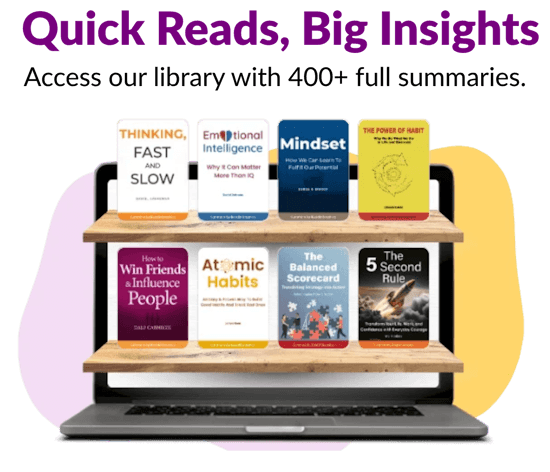
That’s what Readingraphics summaries are built to solve. Once you’ve found your match above, get the concentrated version of that book: the core arguments, the specific frameworks, and the practical takeaways, in a fraction of the time it would take to read the whole thing.
Start with the book that matched your frustration above and get the Readingraphics summary free, or subscribe for access to all 10 summaries. It’s the fastest way to go from “I found the right book” to “I’m actually using this.”